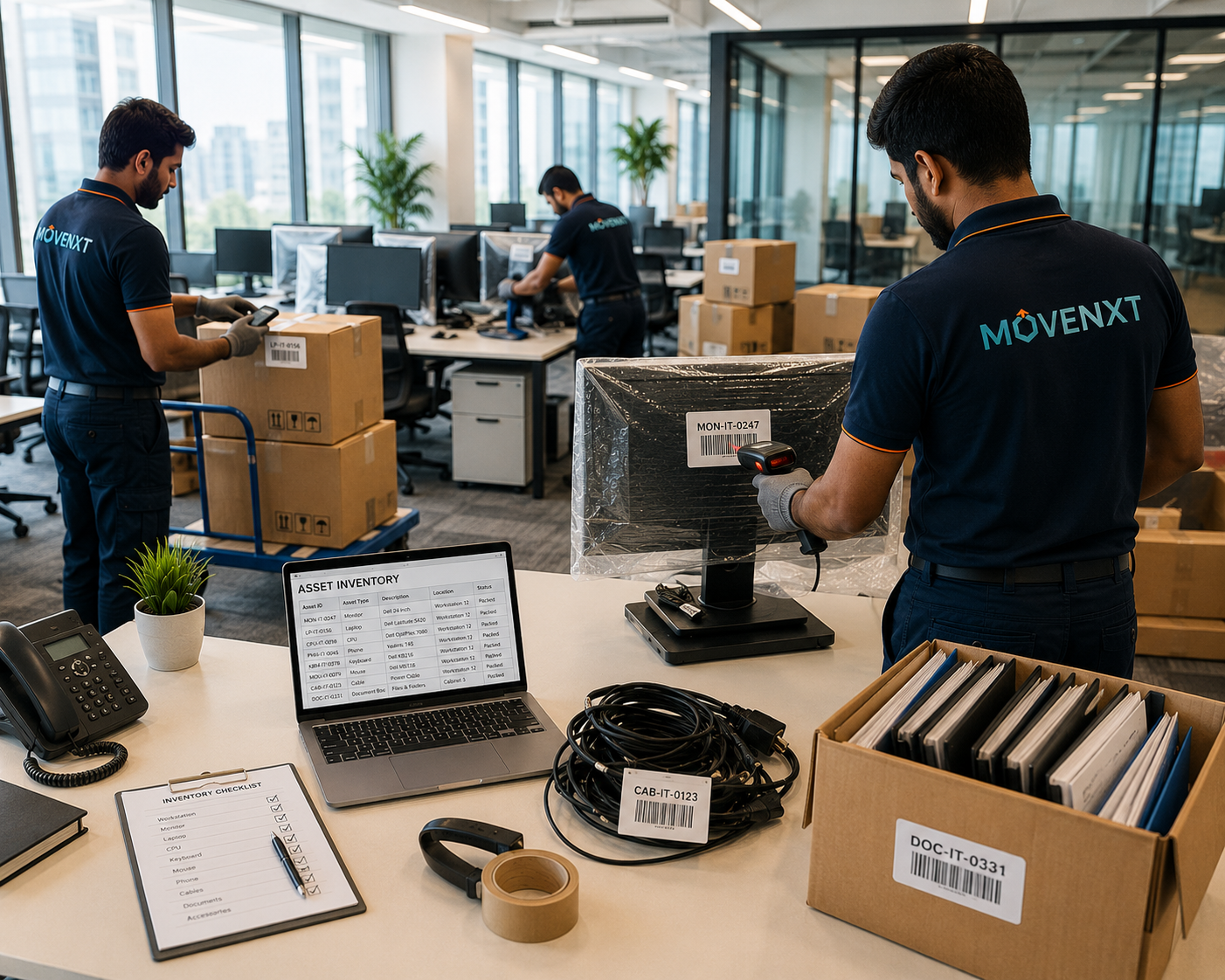
Relocating an office is more complex than moving household belongings. Businesses must coordinate furniture, computers, important documents, equipment, and employee schedules while trying to minimize downtime.
Professional office relocation services can help businesses organize these tasks and plan a more efficient move.
Whether you are moving a small office, a growing startup, or a larger commercial workspace, proper preparation is essential.
1. Create an Office Relocation Plan
Start by appointing a person or team responsible for coordinating the move.
Prepare a checklist that includes the moving date, destination, inventory, packing responsibilities, IT requirements, and communication with employees.
Set deadlines for each task and keep the relevant departments informed.
A clear plan helps reduce confusion and makes it easier to track progress.
2. Prepare an Inventory of Office Equipment
Before packing begins, unlike home shifting you do not have to worry about clothing but still you have to create a list of the items that need to be moved.
This may include:
- Desks, chairs, and conference tables
- Computers, monitors, and printers
- Networking equipment and accessories
- Files, folders, and office supplies
- Storage cabinets and office appliances
Label items according to department, employee, or destination room. This helps ensure that equipment reaches the correct location.
3. Protect Computers and IT Equipment
Computers, servers, monitors, and networking devices require careful handling.
Back up important business data before moving. Coordinate with your IT team to disconnect, label, transport, and reconnect equipment appropriately.
Use suitable protective packaging and keep accessories labelled with their corresponding devices.
Sensitive IT equipment may require a specialized handling and transportation plan.
4. Organize Documents and Confidential Files
Office relocation often involves confidential records, contracts, invoices, and employee documents.
Organize files before packing and use clearly labelled, secure containers. Restrict access to sensitive documents during the move.
Keep critical records and essential business documents accessible to authorized personnel.
Follow your organization’s data protection and document-retention procedures throughout the relocation.
5. Choose a Suitable Office Moving Company
When comparing office relocation services, look for a company that understands commercial moving requirements.
Ask about its experience with office furniture, electronic equipment, packing, loading, unloading, and scheduling.
Discuss the estimated quantity of goods, access restrictions, building permissions, and the desired relocation timeline.
Request a written quotation that clearly defines the scope of work and any additional charges.
6. Plan the Move to Reduce Business Downtime
Whenever possible, schedule the relocation during a period that causes the least disruption to daily operations.
Depending on your business, this could mean moving after working hours, over a weekend, or in planned stages.
Prioritize essential workstations, communication systems, and equipment needed to resume operations.
Inform employees and customers about any expected interruption in services.
7. Prepare the New Office Before Delivery
Before moving day, confirm that the new office is ready to receive your equipment.
Check access permissions, lift availability, parking, electrical connections, internet arrangements, and furniture placement plans.
Share a floor plan with the moving team and label the destination areas clearly.
This can make unloading and setup more organized.
8. Inspect and Set Up the New Workspace
After delivery, check furniture, equipment, and cartons against your inventory.
Report any missing or damaged items promptly and follow the agreed complaint or claims process.
Coordinate with your IT team to reconnect devices and test internet access, printers, and communication systems before employees return to normal operations.
Benefits of Professional Office Relocation Services
Professional movers can help coordinate packing, transportation, furniture handling, and delivery according to an agreed plan.
Depending on the provider, services may include packing, labelling, dismantling and reassembly, and assistance with arranging goods at the new premises.
Choose services that match your business size, equipment requirements, and timeline.
Conclusion
A successful office move requires careful planning, clear communication, and the right moving partner. Professional office relocation services can help businesses organize their equipment and furniture while reducing avoidable disruption.
Planning an office move? Contact [Your Business Name] to discuss your office relocation requirements in [Your City] and request a customized quotation.