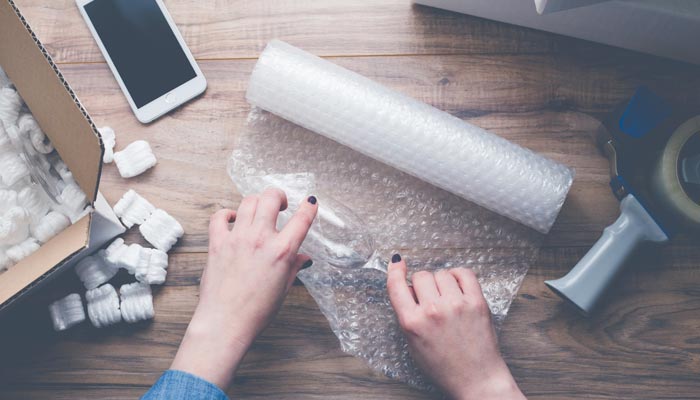
Moving delicate belongings can be stressful, especially when you need to transport glassware, crockery, mirrors, electronics, or decorative items.
Knowing how to pack fragile items properly can help reduce the risk of breakage and make your relocation more organized.
Whether you are moving to a nearby apartment or another city, the right packing materials and techniques can make a significant difference.
How To Pack Fragile Items?
Step by Step guide to pack fragile items is as follows.
1. Gather the Right Packing Materials
Before you begin packing, collect suitable materials for your fragile belongings.
Common packing supplies include:
- Sturdy cardboard boxes
- Bubble wrap or suitable protective wrapping
- Packing paper
- Cushioning materials
- Packing tape
- Dividers for glasses and bottles
- Labels marked “FRAGILE”
Choose box sizes appropriate for the items being packed. Very large boxes can become difficult to handle, while oversized empty spaces may allow items to shift during transportation.
2. Wrap Glassware and Crockery Individually
Unlike Clothing, Plates, cups, bowls, and glasses can easily crack when they collide with one another.
Wrap each item separately with suitable protective material. Use dividers for glasses where possible and place cushioning between individual pieces.
Keep heavier items at the bottom of the box and lighter, more delicate pieces above them when the box design and packing method allow.
Fill empty spaces with suitable cushioning so the contents do not move around.
3. Pack Mirrors and Glass Frames Carefully
Mirrors, picture frames, and decorative glass pieces need additional protection.
Cover the surface with appropriate protective material and use a well-fitted box or specialized protective packaging.
Keep the item securely cushioned on all sides. Clearly label the package so handlers know that it requires careful handling.
Large or unusually shaped mirrors may require professional packing and handling.
4. Protect Electronics During Transportation
Televisions, monitors, computers, and other electronics can be damaged by impact, pressure, or improper handling.
Whenever possible, use the original packaging designed for the device.
Before packing, disconnect cables and accessories, label them, and follow the manufacturer’s preparation instructions. Back up important data before relocating computers or storage devices.
Avoid placing heavy objects on electronic equipment and use packaging appropriate for the item.
5. Label Fragile Boxes Clearly
Clear labelling helps movers identify boxes that need special care.
Write “FRAGILE” on multiple visible sides and add the destination room, such as “Kitchen” or “Living Room.”
Labels are useful, but they cannot replace proper cushioning and secure packing. Make sure each item is protected before sealing the box.
6. Avoid Overpacking Boxes
Overfilled boxes may place pressure on delicate items, while underfilled boxes may allow objects to shift.
Pack items securely without forcing them into the carton. Use suitable cushioning to minimize movement.
Seal the box properly and check that its base can support the contents.
7. Keep Valuable and Essential Items Separate
Important documents, jewellery, irreplaceable personal belongings, and essential medicines should be handled separately according to their specific requirements.
For valuable items, ask your moving company about available handling arrangements and applicable insurance or liability terms.
Keep essential personal belongings with you whenever practical and safe to do so.
8. Consider Professional Packing Services
Packing fragile belongings can require time, suitable materials, and careful handling.
Professional packers and movers may provide specialized packing for crockery, glassware, mirrors, electronics, and other delicate items.
Before booking, ask which materials and services are included in the quotation and whether additional charges apply to special packing requirements.
9. Inspect Fragile Items After Delivery
After reaching your destination, unpack fragile items carefully on a stable surface.
Check for visible damage and document any issues with photographs. Contact the moving company promptly if you discover damaged or missing items, following its reporting and claims procedure.
Keep relevant booking documents and packing records until the relocation is fully completed.
Conclusion
Learning how to pack fragile items can help protect your belongings during relocation. Use appropriate packing materials, wrap delicate items individually, fill empty spaces, and label boxes clearly.
For valuable or particularly delicate possessions, consider professional packing assistance.
Need help packing your belongings? Contact [Your Business Name] for professional packing and moving services in [Your City]. Our team can discuss your requirements and help you plan your next move.
Request a quotation today!